


Forestry Mulching vs. Traditional Land Clearing: Which is Right for You?

Updated: Jan 14
When it comes to preparing land for farming, development, or simply reclaiming overgrown areas, property owners face a common decision: forestry mulching or traditional land clearing. Both methods can transform your property, but the approach, costs, and long-term results are very different.
Choosing the right method isn’t just about price—it’s about understanding how each process works, what it leaves behind, and how it impacts your property’s future.

What Is Forestry Mulching?
Forestry mulching is a modern land management method that uses a single machine to cut, grind, and shred brush, trees, and vegetation directly into mulch. Instead of removing debris, it spreads shredded material across the land, creating a natural protective layer.
Imagine walking through an overgrown property.
A mulching machine passes through once, leaving behind a clean, open space covered in rich mulch that immediately improves the soil and prevents erosion. No piles, no burning, no hauling.
Key Benefits of Forestry Mulching:
Minimal soil disturbance compared to heavy bulldozing.
Mulch layer prevents erosion and enriches soil.
More environmentally friendly—no burning or massive debris piles.
Cost-effective for properties with moderate brush and tree density.
What Is Traditional Land Clearing?
Traditional land clearing typically involves bulldozers, excavators, and chainsaws to remove unwanted trees and vegetation. The debris is then hauled away, burned, or piled up for disposal. This method creates a clean slate, often leaving bare ground.
Picture an empty construction site—stripped of trees and brush, leveled for building. That’s the result of traditional clearing.
Key Benefits of Traditional Land Clearing:
Best for large-scale projects requiring total site preparation.
Allows for grading, leveling, and foundation building.
Can handle extremely dense forests or massive tree removal.
Provides a completely open space with no leftover stumps or debris.
Forestry Mulching vs. Traditional Land Clearing: Side-by-Side
When weighing forestry mulching vs. land clearing, consider these key differences:
Factor | Forestry Mulching | Traditional Land Clearing |
Debris Handling | Mulches vegetation in place | Hauls, piles, or burns debris |
Soil Impact | Minimal disturbance, mulch enriches soil | Heavy equipment can compact soil, higher erosion risk |
Best For | Brush, small to medium trees, wildlife-friendly projects | Full-scale development, construction, farmland clearing |
Environmental Impact | Eco-friendly, preserves root systems | More disruptive, removes all vegetation |
Cost | Lower for moderate clearing jobs | Higher due to multiple machines and hauling needs |
Which One Is Right for You?
The decision comes down to your property goals.
Choose Forestry Mulching if:
You want a cost-effective way to manage brush and small trees.
You care about soil health, erosion control, and long-term sustainability.
Your goal is to clear trails, recreational land, hunting areas, or smaller plots.
Choose Traditional Land Clearing if:
You need a completely bare site for construction or large-scale agriculture.
You’re dealing with extremely dense forest or massive tree removal.
You require grading, leveling, or excavation after clearing.
The Hidden Considerations
Beyond cost and appearance, there are hidden considerations many landowners don’t realize until later:
Erosion Control: Forestry mulching leaves behind ground cover, while traditional clearing exposes soil to runoff and erosion.
Wildlife Habitat: Mulching maintains some natural habitats, while bulldozing clears them entirely.
Future Maintenance: Mulched areas are easier to maintain over time; bare ground often needs reseeding or erosion prevention measures.
Both forestry mulching and traditional land clearing have their place. The right choice depends on what you want your property to become.
If your vision is a construction-ready lot, traditional clearing is often the only way forward. But if your goal is to reclaim overgrown land, reduce fire hazards, or enhance recreational spaces, forestry mulching provides a faster, more sustainable solution.
Either way, investing in professional services ensures the job is done safely, efficiently, and with the long-term health of your property in mind.
Ready to learn more? Read our full blog to explore the best land clearing solutions for your property.

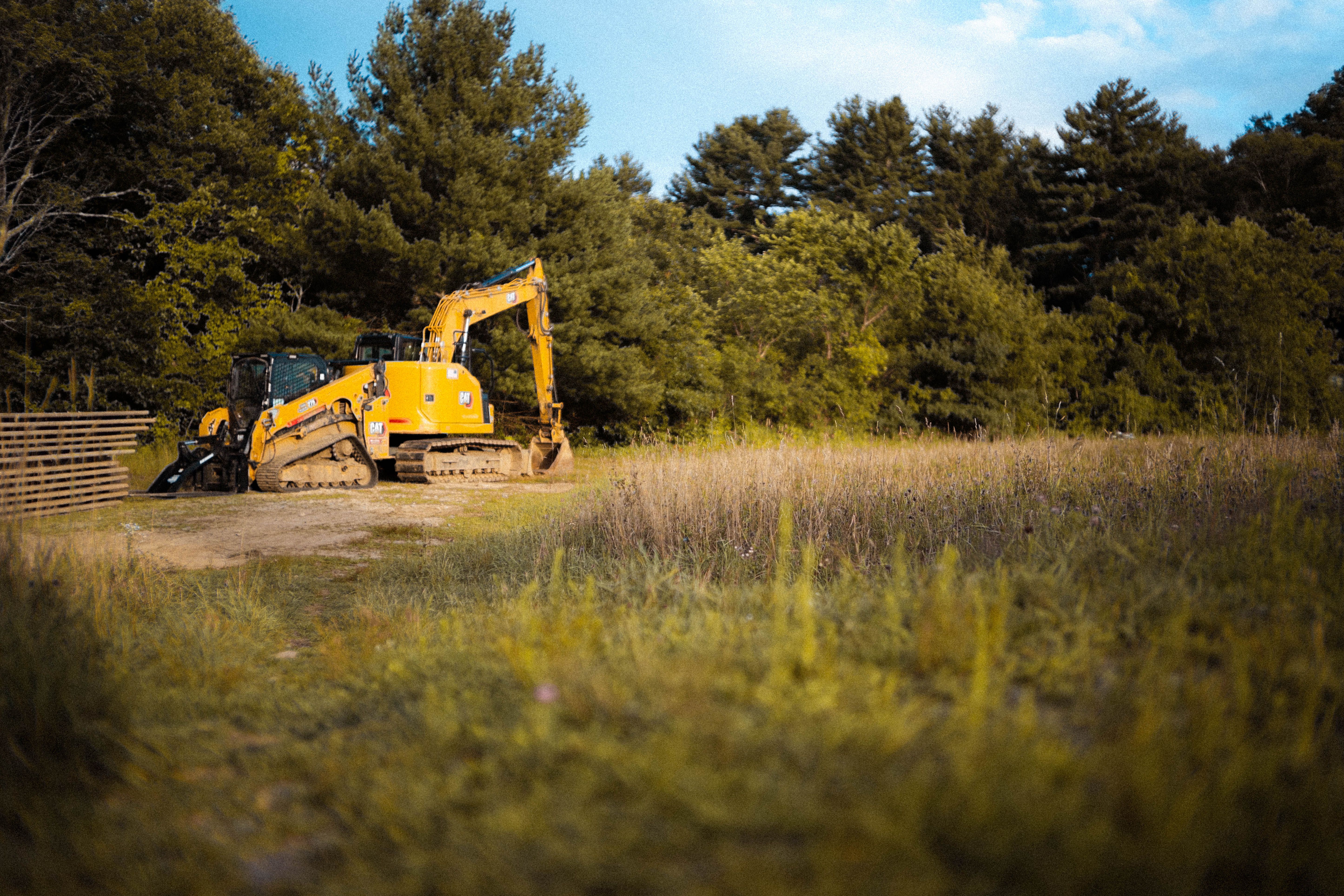

Forestry mulching can be a practical option when you want to clear overgrown areas without hauling away piles of debris. Traditional land clearing may make more sense for larger projects where you need a completely open site for construction or other uses. Factors like terrain, vegetation density, budget, and the final purpose of the property can all affect the decision. For smaller or heavily overgrown areas, professional https://mylandclearingsanantonio.com/stump-grinding-tree-removal/ can also help create a cleaner and more manageable landscape. Taking the time to compare both approaches can help property owners choose a method that fits their specific needs and long-term plans.