


Land Clearing in Chesterfield, MO: A Property Owner’s Planning Guide

Updated: Sep 24
Land clearing works best when the property owner and contractor agree on the finished result before equipment arrives. “Clear the brush” can mean opening a view, recovering a pasture edge, creating access, removing invasive growth, or preparing a future building area. Each goal can call for a different approach.
For Chesterfield-area landowners, a careful plan also helps protect the trees, drainage patterns, fences, and neighboring areas that should remain undisturbed.
Define the finished use first
Start by describing how the cleared area should function six months after the work.
Possible goals include:
Opening an overgrown section for regular mowing.
Restoring access along a fence or property boundary.
Creating a trail or equipment route.
Removing dense understory while keeping mature trees.
Cleaning up storm damage or leftover woody material.
Preparing an area for a later construction or landscaping phase.
A contractor can recommend equipment and sequencing more accurately when the end use is specific. Photos can help with an initial conversation, but an on-site review may reveal slope, soil, access, or debris conditions that do not show clearly in an image.
Mark what stays as carefully as what goes
Selective clearing is easier when “keep” areas are visible.
Walk the site and mark valuable trees, property corners, fences, gates, landscaping, wells, septic components, drainage features, and other sensitive areas. If a boundary is uncertain, resolve it before clearing near it.
Tell the contractor about known underground or overhead utilities. Before any work that may involve digging or ground disturbance, coordinate the appropriate utility-location process and follow the guidance provided for the property.
Do not assume an operator can identify every hidden feature from the machine.
Choose the method that fits the objective
Land clearing is not a single process. The right method depends on vegetation size, density, terrain, access, desired finish, and what will happen next.
Forestry mulching
Forestry mulching can cut and process brush and smaller woody vegetation in place, leaving a layer of material on the ground. It can be useful for selective work, trail corridors, understory reduction, and areas where hauling every piece of material is not the goal.
Ask what size and type of vegetation the proposed equipment is intended to handle. Large trees, heavy piles, stumps, or embedded material may require a different plan.
Selective clearing
Selective clearing removes chosen vegetation while retaining other trees or screening. The work requires clear marking and realistic space for equipment to maneuver around protected features.
The finished appearance can vary. Discuss whether the objective is visibility, easier maintenance, improved access, or a park-like understory so the operator understands the desired level of removal.
Conventional removal and debris handling
Some projects require material to be piled, hauled, chipped, or otherwise handled separately. That can apply when preparing a construction footprint or dealing with vegetation that should not remain on the site.
Confirm what happens to logs, brush, stumps, rock, wire, and trash. A quote should make the planned debris outcome understandable.
Missouri Brush Control’s services page explains the available approaches and related property work.
Plan access before the workday
Equipment needs a safe route to the work area.
Measure gates and narrow passages, identify soft ground, note low branches and overhead lines, and point out culverts or small bridges. Think about how a truck and trailer will enter, turn, and leave without blocking traffic or damaging features outside the work area.
Weather can change site conditions. Discuss how saturated soil or steep ground would affect timing and whether the contractor needs an alternate access route.
Account for slopes and drainage
Clearing can change how water moves across the ground, especially when dense vegetation or accumulated debris is removed.
Identify swales, creek edges, drainage outlets, eroded areas, and steep slopes during the site walk. If the project connects to grading, construction, or a drainage correction, make sure the clearing plan coordinates with the appropriate qualified professionals.
Avoid treating forestry mulching as a substitute for engineered grading or erosion-control design.
Decide what the finished surface should look like
Two land-clearing quotes may describe different finished products.
Clarify questions such as:
Will cut material be mulched, piled, or removed?
Are stumps being left, cut low, ground, or excavated?
How close will equipment work to retained trees and fences?
Is the area expected to be mowable immediately?
Are ruts, rock, or existing debris part of the scope?
Will a follow-up pass or later maintenance be needed?
A written scope with a map or marked photos can prevent misunderstandings.
Give an estimator useful information
When requesting an estimate, provide:
The property location and approximate work area.
The intended use after clearing.
Several wide photos plus close-ups of representative vegetation.
Access limitations and gate widths.
Known slopes, wet areas, fences, utilities, structures, or debris.
Vegetation or trees that must remain.
Your preferred timing and any dependent project dates.
Avoid relying only on acreage. A small, dense site with difficult access can be a different job from a larger, open tract.
Compare contractors on scope and communication
Ask each contractor to explain the proposed method, equipment, site access, debris plan, and exclusions. Confirm insurance and any project-specific requirements relevant to your property.
A useful proposal should make it possible to understand what is included. The lowest number is difficult to evaluate if the finished condition is unclear.
You can also review Missouri Brush Control’s current service areas. Because coverage can depend on project location and scope, confirm whether your Chesterfield property is within the current working area.
Plan the next maintenance step
Clearing creates access; it does not necessarily end vegetation management.
Your follow-up may include mowing, targeted treatment, seeding, grazing management, trail upkeep, or periodic cutting. The best next step depends on the land use and the plants present. Ask what regrowth the contractor expects and when the area should be inspected again.
Start with a site-specific conversation
A clear goal, marked boundaries, realistic access plan, and written finish standard make a land-clearing project easier to estimate and easier to execute.
To discuss selective clearing, brush removal, or forestry mulching for a property in the Chesterfield area, contact Missouri Brush Control with the location, photos, and intended use.
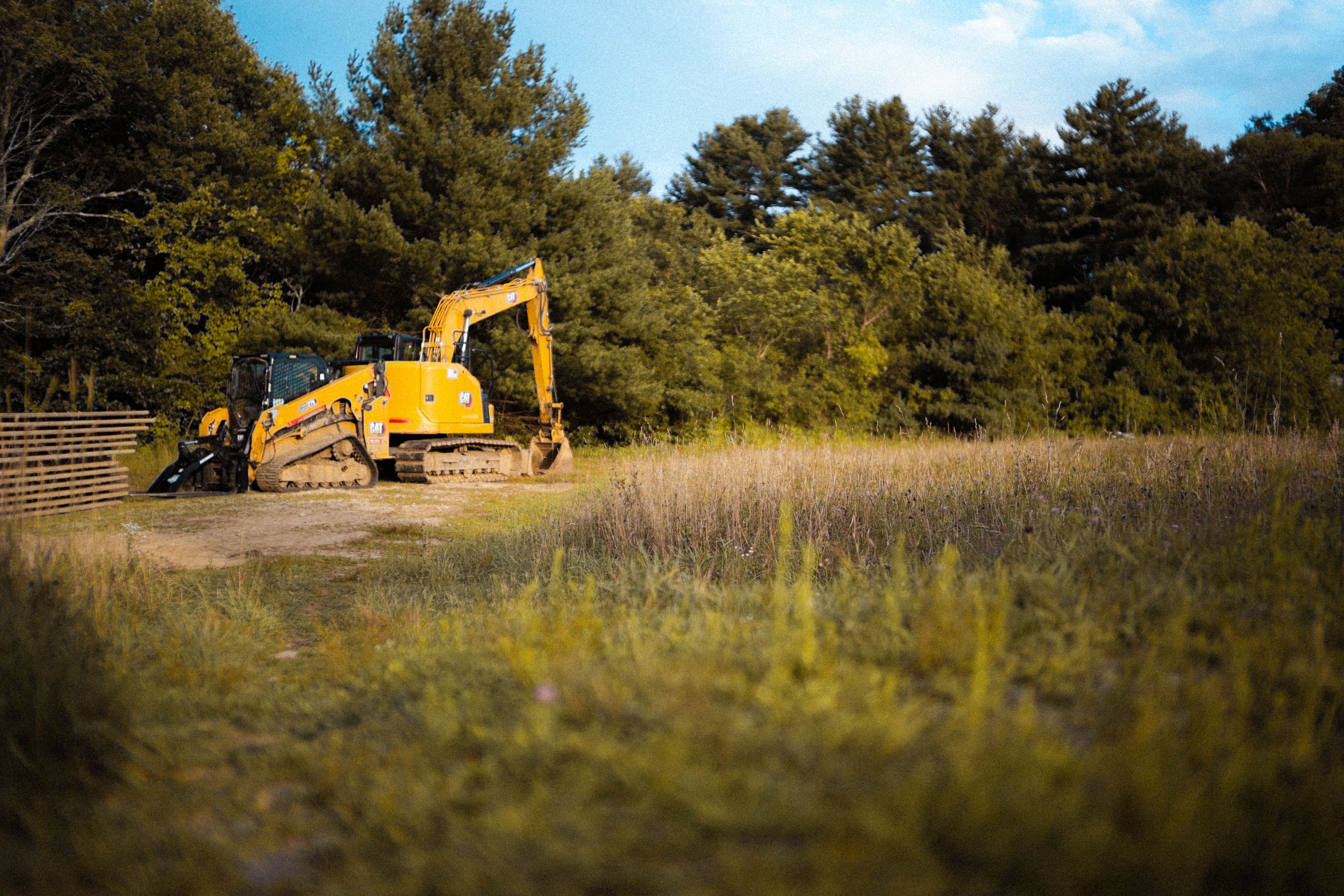
Photo by Abdulla on Pexels.


Comments