


Pond Bank Brush Clearing in Missouri: Plan Access Without Overclearing


When brush blocks the route to a pond, the goal is usually useful access—not a bare ring around the entire shoreline. A selective plan can open a fishing spot, make a maintenance route easier to use, or improve visibility while keeping areas that do not need clearing.
Pond bank brush clearing in Missouri also calls for more care than clearing an ordinary patch of upland brush. Wet ground, slope, outlets, and an existing dam all influence the work. Start by defining the result and separating vegetation removal from structural or water-quality problems.
Identify the problem you actually need solved
'Clean up the pond' can mean several different jobs. Brush covering a bank, sediment in the basin, unwanted aquatic plants, and a leaking dam are not interchangeable scopes. Tell a contractor which issue prevents you from using or maintaining the pond.
Access problem: a path or fishing area is blocked by terrestrial brush.
Visibility problem: overgrowth makes it difficult to see parts of the shoreline or infrastructure.
Debris problem: fallen limbs or unwanted material need evaluation and removal.
Pond-system problem: leakage, erosion, sediment, or aquatic vegetation may require separate expertise.
Missouri Brush Control provides pond and water-feature cleaning services. Describe the site conditions when asking about work; do not assume one clearing method addresses every pond issue.
Mark access zones and areas to retain
Before a site visit, sketch the shoreline and mark the places you want to reach. A short route to one fishing area may solve the problem without widening every bank. Note shade trees, existing grass, habitat areas, fences, and any property boundaries you know.
The Missouri Department of Conservation's Missouri Pond Handbook discusses protecting vegetation in drainage areas to reduce sediment entering ponds. Use that as a reason to plan selectively, not to prescribe a single clearing width for every property.
Treat the dam differently from the surrounding bank
Trees on an existing earthen dam need a specific assessment. The handbook warns that removing larger trees can leave decaying roots that affect the dam. Do not instruct a crew to pull every stump or cut established trees on a dam without appropriate guidance on its condition.
Flag seepage, depressions, burrows, or damaged outlets for evaluation. Vegetation clearing is not certification that a dam is sound, and a neater-looking bank is not proof that a structural problem has been resolved.
Let terrain determine the equipment plan
A machine that can clear brush on firm ground may not be appropriate beside soft, saturated soil. Show the contractor the access route, gate width, slope, low spots, and any area where equipment has become stuck before. Point out pipes, cables, irrigation components, and other known obstacles.
Ask where the equipment can operate, which areas require a different approach, and what conditions would cause the work to pause. Keep children, pets, and bystanders outside the work area and agree on how access will be controlled.
Define the finished condition in the quote
Compare bids against the same result. 'Clear around pond' is too open-ended when one bid includes selected access zones and another assumes the full perimeter. Request a marked work area and a description of what will remain.
Boundaries: the approximate area or shoreline sections included.
Vegetation: what is removed, what is retained, and how retained trees are identified.
Finish: how cut material, limbs, and debris will be handled.
Access: where equipment enters and any excluded soft or steep areas.
Limitations: whether stump removal, earthwork, aquatic treatment, or dam repair is outside the scope.
Follow-up: what maintenance the cleared areas will need.
Ask whether the intended finish will be convenient for your next step. An access area meant for regular mowing has different expectations from a lightly opened woodland edge. Clarify the plan before work begins.
Prepare useful photos and site information
Send wide photographs of the pond, closer views of the brush, and images of the equipment entrance. Include the property address, approximate affected area, and your main use goal. If boundaries are uncertain, resolve them before the crew is asked to work close to adjoining property.
A simple description is effective: 'We want a route from this gate to this bank and one fishing access area. Keep these marked trees. The ground near the outlet stays wet.' That helps a contractor assess the job more clearly than 'make everything look better.'
Plan for regrowth and inspection
Clearing creates an opportunity to maintain access; it does not make vegetation disappear permanently. Agree on how you will monitor regrowth and keep the opened area usable. Check the shoreline after rain and report developing erosion or other changes that need attention.
Keep the completed work plan and photographs so future maintenance follows the same boundaries. If invasive plants are involved, ask about a suitable follow-up approach rather than assuming one pass provides lasting control.
Start with a selective assessment
A good pond-edge project balances usable access with the site's actual constraints. Protect the areas that serve a purpose, define the finish, and separate brush work from pond engineering or treatment.
Missouri Brush Control is based in Eureka and serves eastern Missouri. Review our service areas, then request an assessment with photographs and a short description of what you want to reach or maintain.
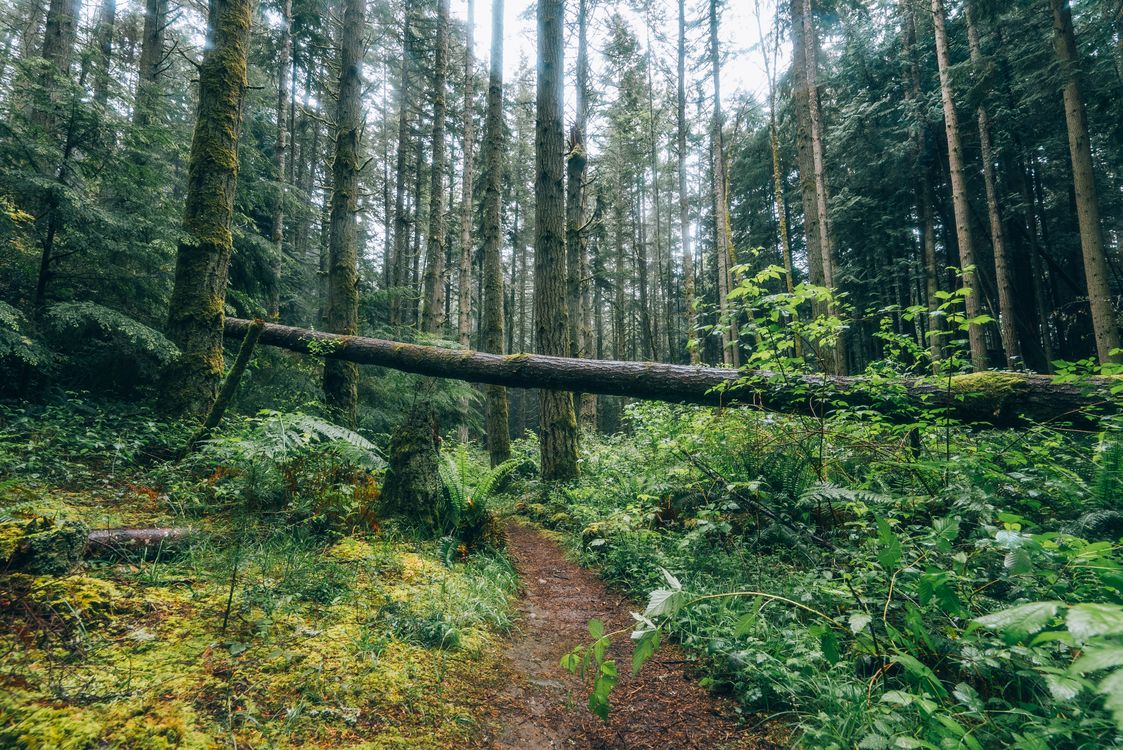
Illustrative shoreline photograph by Aleksandr Gorlov / Pexels; not a Missouri Brush Control project. Image source

Comments