


Bush Honeysuckle Removal in Missouri: Plan Clearing and Follow-Up Together


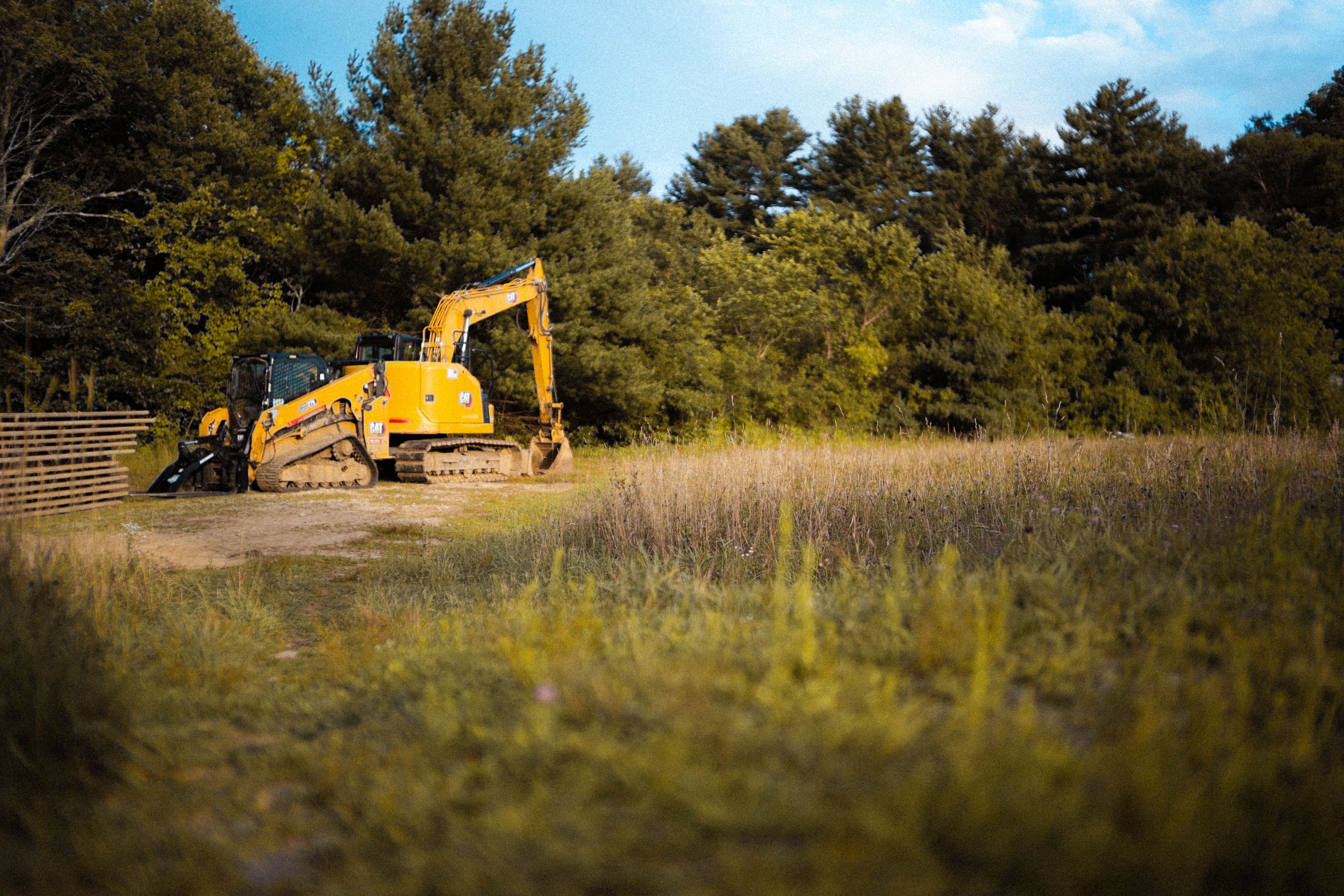
Illustrative woodland photograph by Josh Hild on Pexels; not a Missouri project or a bush-honeysuckle identification image. View image source.
Bush honeysuckle can turn a woodland edge or unused corner of a property into a difficult planning problem. A landowner may want a walkable trail, a more open view, or room for desirable vegetation. The first decision is therefore not simply how much to clear, but what the finished area should do.
For bush honeysuckle removal in Missouri, separate the initial clearing scope from the follow-up control plan. A more accessible property is an important result, but it should not be confused with a guarantee that unwanted growth will never return.
Confirm the plant before choosing the approach
Use reliable identification help before treating every shrub as invasive. The Missouri Department of Conservation’s bush-honeysuckle guidance explains its impact on native vegetation and notes the importance of follow-up where plants resprout. Its recommendations include different control approaches for different settings; a single method is not appropriate everywhere.
For uncertain plants or sensitive habitat, ask a qualified local resource to verify identification and suitable management. Photos can help start the conversation, but an image of a dense thicket does not establish every species growing there.
Define the clearing result in plain language
Walk the property and describe what you want to use after the work. For example, you might want to reopen an existing path, create access to a fence, improve sightlines along a driveway, or selectively open understory while retaining larger trees. Each goal produces a different boundary and finish.
Mark retained trees, desirable shrubs, and no-work areas before machinery arrives. Confirm those markings with the contractor rather than assuming the crew will infer your preferences. A selective-clearing brief should be as clear about what stays as what goes.
Map the treatment boundary and any property-line uncertainty.
Identify retained vegetation and areas requiring special care.
Describe access routes and obstacles such as old wire or buried debris.
Flag slopes, drainage paths, wet ground, and nearby water.
Define the intended finish and how you will use the area afterward.
Understand what forestry mulching is being asked to accomplish
Missouri Brush Control uses forestry mulching for invasive-species removal and selective clearing. In a honeysuckle project, the proposed work should explain which vegetation will be processed, which areas will remain untouched, and what material will be left on the ground.
Ask how the site conditions affect equipment access and the planned finish. Clearing dense growth is not automatically the same as preparing a seedbed, removing every root, grading a road, or producing lawn-ready ground. If you need another result, include it in the conversation and obtain a specific scope.
Make regrowth a separate line item in the plan
The conservation department notes that cutting can be followed by resprouting and that later inspection may be needed. Ask who will check the cleared area, what signs they will look for, and which follow-up actions are outside the initial clearing contract.
Where herbicide treatment is being considered, have an appropriate professional assess the site and applicable product directions. Do not copy a mixing recipe from a general article or assume a clearing contractor also provides chemical treatment. Confirm the provider, method, and scope separately, particularly near water or retained vegetation.
Keep this distinction visible in the proposal: initial access and vegetation clearing on one hand, longer-term invasive-plant control on the other. It makes expectations more realistic and prevents future work from being mistaken for an unfinished first visit.
Plan the next use before expanding the cleared area
A smaller, clearly defined project can be easier to maintain than a large opening without a use or follow-up plan. Consider whether you can inspect the whole treatment area and whether the planned trail or access lane will receive regular use.
Discuss restoration with an appropriate local professional if you want native plantings, pasture, or another specific ground cover. The choice should reflect the site’s light, soil, moisture, and intended use—not simply whatever seed is easiest to purchase.
Compare proposals by scope, not just acreage
Two quotes for the same property can describe different work. Compare treatment boundaries, retained vegetation, access assumptions, ground finish, excluded tasks, and the plan for concealed obstacles. Ask how a change in conditions will be documented before additional work proceeds.
A useful first message includes the property location, several photos, approximate treatment area, access information, and your intended result. Review Missouri Brush Control’s service areas and services while preparing the request.
Clear with a longer-term plan
A successful honeysuckle project combines a precise initial scope with a realistic plan for checking the property afterward. Identify the target vegetation, protect what you want to keep, and agree on the next steps before work starts.
To discuss selective clearing on your property, contact Missouri Brush Control and share your goals. Ask which parts of the proposed work address immediate access and which follow-up responsibilities remain with you or another specialist.


Comments