


Land Clearing in Wildwood, MO: A Property Owner’s Planning Guide


Land clearing is easier to estimate and execute when the owner can explain the desired result. “Clear the property” may mean opening a trail, reclaiming an overgrown area, preparing a building site, improving access, cleaning a fence line, or selectively removing brush while keeping mature trees.
For Wildwood property owners, the first step is to turn that broad goal into a defined work area and finish standard. This guide covers the information to gather before requesting a site visit or proposal.
Define what success looks like
Start with the future use of the area. A walking trail needs a different width and surface than equipment access. A homesite or utility corridor may require different preparation than an area being opened for visibility and easier maintenance.
Mark the priorities in plain language. Identify vegetation that should remain, views that should be opened, access points that matter, and areas that are out of scope. If the project has several goals, rank them so the contractor can recommend a practical sequence.
Walk the property and document the work zone
A preliminary walk can reveal questions that affect equipment choice and project time. Note gates, narrow approaches, wet areas, steep sections, fences, structures, overhead obstacles, and known utilities. Photograph representative vegetation and any access constraint that may not be obvious from the road.
Property boundaries should be understood before work begins. If a line is uncertain, resolve that uncertainty through the appropriate survey or documentation instead of relying on an informal estimate. Clearly flag trees, habitat features, or improvements that must be protected.
Choose a clearing approach that matches the goal
Forestry mulching can reduce brush and smaller woody material in place, leaving processed material across the ground. Selective clearing can focus on unwanted vegetation while retaining chosen trees. Other projects may require tree removal, debris handling, grading coordination, or a combination of methods.
The best approach depends on vegetation size and density, terrain, access, soil conditions, and the desired finish. Missouri Brush Control's land clearing and brush control services include forestry mulching, underbrush removal, trail work, site preparation, invasive-species removal, and related property improvements.
Decide what should happen to the material
Ask how cut or mulched material will be handled. Depending on the method and project goals, material may remain as mulch, be consolidated, be removed, or require additional cleanup. Clarifying the expected finish keeps the proposal and the final walkthrough aligned.
Plan access before equipment arrives
Equipment needs a safe route into and through the work area. Confirm gate widths, bridge or culvert limitations, parking and staging space, and whether neighboring access is involved. Move vehicles, trailers, decorative items, and temporary obstacles before the scheduled work.
If access crosses a lawn or other sensitive area, discuss protection and restoration expectations in advance. Weather and ground conditions can change the safest approach, so leave room for the contractor to adjust scheduling when necessary.
Ask for a scope you can compare
A useful estimate should describe the approximate work area, target vegetation, retained vegetation, clearing method, debris treatment, access assumptions, exclusions, and finish condition. Ask how changes in the field will be handled and what could affect the schedule.
Also discuss whether permits, utility coordination, erosion controls, or other approvals may apply to the specific property and planned use. Requirements can vary, so verify current obligations with the relevant authorities and professionals rather than assuming a general rule.
Think beyond the initial clearing
Cleared land changes over time. Sunlight can encourage new growth, invasive plants may return, and a trail or fence line can narrow if it is not maintained. Ask what follow-up is realistic for the selected method and build that maintenance into the property plan.
For pasture or habitat goals, the clearing phase may be only one part of the work. Soil, drainage, seeding, mowing, and future vegetation management may need separate expertise. A good scope distinguishes the clearing contractor's work from later land-management tasks.
Prepare for a productive Wildwood site visit
Bring a map or sketch, mark the work area, list the desired outcomes, and note access concerns. Share the intended use and budget priorities rather than prescribing equipment before the contractor sees the conditions. That gives the estimator enough context to recommend a method.
Missouri Brush Control maintains a dedicated Wildwood, MO service-area page and serves landowners with brush clearing and forestry mulching needs. Review the full Missouri service area or request a project conversation.
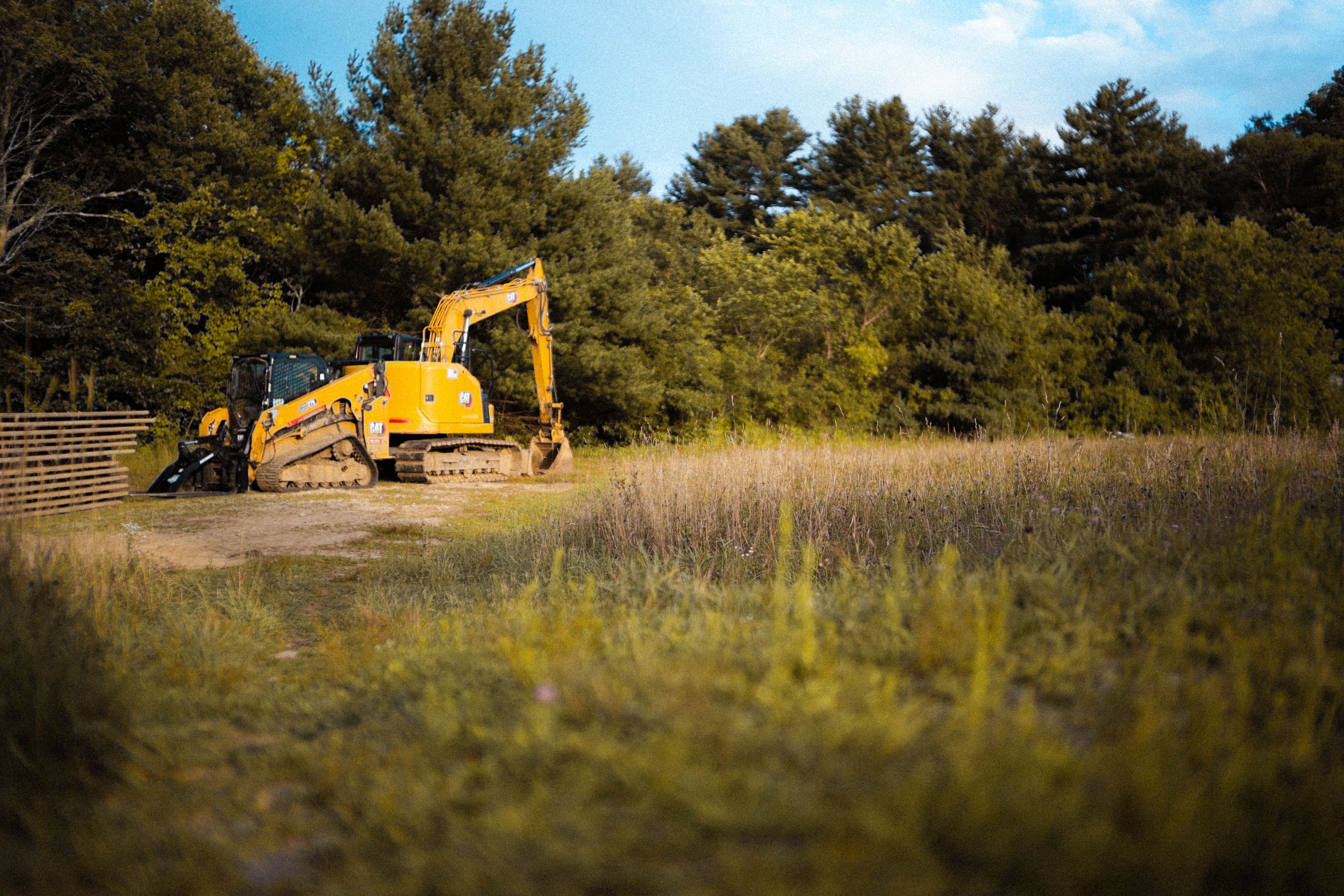
Cover image: Udaya Jayasiri Gunawardhana via Pexels.


Comments