


How to Improve Hunting Land in Missouri with Selective Clearing

Improving hunting or recreational land does not always require clearing large areas. Often, the most useful work is selective: opening a safe route to a remote section, reconnecting an overgrown trail, creating access around a field edge, or removing dense brush that limits how the property can be used.
For Missouri landowners, the right clearing plan begins with the property’s goals. This guide explains how to evaluate access, trails, vegetation, and future maintenance before equipment arrives.
Define what “better hunting land” means for your property
A contractor cannot build the right plan from a general request to “clear the brush.” Walk the property and identify the specific problems you want to solve. These may include reaching a stand or blind, creating a path for equipment, restoring an old logging road, improving visibility at a field edge, or making the land easier to inspect and maintain.
Mark priority areas on a map and separate essential access from optional improvements. This keeps the project focused and helps protect areas that do not need disturbance.
Why selective clearing is often the better approach
Selective clearing removes targeted brush and smaller trees while retaining vegetation that supports the landowner’s goals. It is different from clearing an entire tract. The objective is to create useful access and manageable edges without treating every acre the same.
Forestry mulching can be a practical method where appropriate because it cuts and processes vegetation in place. The right method still depends on terrain, tree size, soil conditions, access, and the desired finish. Review Missouri Brush Control’s land-clearing and mulching services to compare the kinds of work available.
Start with access routes
Access is the foundation of a usable recreational property. Existing farm lanes, logging roads, fence lines, and utility corridors may provide the most efficient starting points. Reopening an old route can require less disturbance than creating a new path.
Plan routes with more than foot traffic in mind. Consider whether they need to accommodate an ATV, tractor, trailer, emergency access, or future maintenance equipment. Pay attention to steep grades, drainage crossings, tight turns, and soft ground.
Design trails with a clear purpose
A useful trail network connects destinations instead of wandering through the property without a plan. Identify entrances, parking, field edges, water features, stands, observation points, and maintenance areas. Then prioritize a main route before adding secondary spurs.
Trail width and finish should match the intended use. A walking path has different requirements than an equipment lane. Ask the contractor how much vegetation must be removed, how turns will be handled, and whether debris or stumps could interfere with travel.
Improve edges without over-clearing
Field edges and transitions between open and wooded areas often become crowded with woody brush and invasive growth. Strategic removal can make those boundaries easier to access, inspect, and maintain.
Avoid assuming that a clean, park-like appearance is the goal everywhere. Retaining selected trees, screening vegetation, and varied cover may be important to the property plan. Clearly mark trees and areas that should remain before work starts.
Address invasive and recurring brush
Mechanical removal can make an immediate area usable, but some species regrow from roots, stumps, or seed. Ask how the contractor identifies recurring brush and what follow-up work may be needed. Long-term control may involve periodic mowing, spot treatment by a qualified applicator, or additional cutting.
Landowners should confirm any herbicide use, burn plans, or habitat-management recommendations with the appropriate licensed professionals and current Missouri guidance.
Time the work around site conditions
Weather and soil conditions affect equipment access and the amount of ground disturbance. Wet ground can limit where machinery can work efficiently, while heavy vegetation can make boundaries and hazards harder to see.
Discuss seasonal access, known wet areas, hunting schedules, livestock, utilities, fencing, and other property activity before choosing a work window. Missouri Brush Control’s service-area page can help confirm whether your property is within the company’s operating area.
Questions to ask before clearing begins
Which routes and areas are included in the scope?
What vegetation sizes and site conditions can the equipment handle?
How will property lines, utilities, fences, and trees to preserve be marked?
What finished width and surface should the owner expect?
Will material be mulched in place, piled, hauled, or handled another way?
What maintenance is likely after the initial project?
How could weather change the schedule or approach?
Plan for maintenance from the beginning
A newly opened trail or edge will not stay unchanged. Sunlight can encourage new growth, traffic can create ruts, and drainage problems can develop if water is not considered. Schedule periodic inspections and address small issues before the route becomes difficult to use again.
Keep a simple property map showing completed work and future priorities. This gives the landowner and contractor a shared reference for later phases.
Build a focused plan for your Missouri property
The best hunting-land clearing projects solve specific access and usability problems while respecting the parts of the property that should remain untouched. A careful walk-through, marked priorities, and a realistic maintenance plan are more valuable than clearing acreage without a purpose.
To discuss trails, selective clearing, brush removal, or forestry mulching, contact Missouri Brush Control for a site-specific conversation.
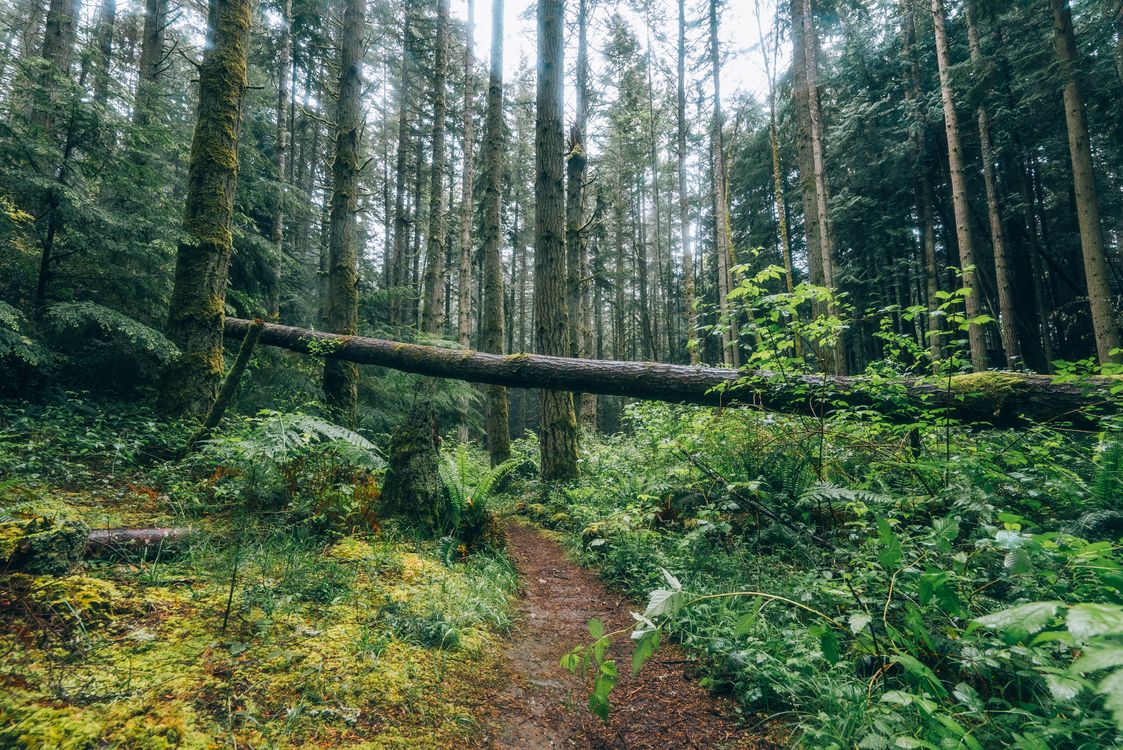
Cover photo by Anoop VS on Pexels.


Comments