


Land Clearing in St. Charles, MO: A Property Owner’s Planning Guide


Land clearing in St. Charles, MO can mean very different things from one property to the next. One owner may need to reopen a fence line. Another may want access through overgrown acreage, a cleaner edge around a field, space for a future project, or selective removal after years of unmanaged growth.
The equipment matters, but a good result begins with a defined goal and an honest look at the site. Before requesting estimates, use this planning guide to identify the finish you want, the features that should stay, and the conditions a contractor needs to evaluate.
Start With the Property’s Intended Use
“Clear the brush” is difficult to price and easy to misunderstand. Describe what the cleared area needs to do when the work is finished. Will it become a trail, pasture edge, building-access route, recreation area, fence line, or simply more manageable ground?
The intended use affects how much vegetation must be removed, which trees should remain, what debris can stay, how smooth the surface needs to be, and whether follow-up grading or other work may be required. Mark the priority areas and separate essential work from optional sections so estimates can be compared on the same basis.
Map Boundaries, Utilities, and Access
Before machinery enters the property, identify known property lines, easements, gates, culverts, septic components, wells, overhead lines, buried utilities, drainage features, and structures. Do not rely on old fence lines as proof of a legal boundary. If the work approaches an uncertain line, resolve it with the appropriate records or a qualified surveyor.
Use the applicable utility-location process before digging or disturbing ground, and tell the contractor about private lines that a public utility locate may not mark. Also measure entrances and note weak bridges, tight turns, steep approaches, or soft areas that could affect equipment access.
Choose Between Forestry Mulching and Conventional Clearing
Forestry mulching uses a machine to cut and process brush and smaller woody growth into mulch on site. It can be well suited to selective clearing, trails, fence lines, invasive brush removal, and projects where the owner wants to retain chosen trees. The mulch layer can reduce the volume of material that must be hauled away.
Conventional clearing may be more appropriate when a project requires stumps and root systems to be removed, large material to be excavated, or the ground to be prepared for construction or a specific engineered finish. Some sites need a combination of methods.
Ask a contractor to explain the recommended approach in terms of your final use. Missouri Brush Control’s services overview includes forestry mulching, selective land clearing, brush removal, pasture reclamation, trail and road clearing, and logging cleanup.
Decide What Stays Before Work Begins
Selective clearing is easiest when keeper trees and sensitive areas are marked in advance. Walk the project area and identify valuable shade trees, desirable screening, habitat features, landscaping, creeks, wetlands, rock outcrops, or other features you do not want disturbed.
Use visible flagging that both the operator and property owner understand. If the health or stability of a tree is uncertain, consult a qualified tree professional. A land-clearing crew can work around designated trees, but it should not be expected to diagnose every tree on site.
Account for Weather, Soil, and Drainage
Ground conditions affect access, traction, disturbance, and the quality of the finish. Saturated soil may rut or compact more easily, while dense vegetation can conceal washouts, wire, rocks, stumps, and dumped materials. A site visit helps reveal limitations that photographs cannot.
Drainage deserves special attention. Clearing vegetation does not automatically solve standing water, erosion, or a failing culvert. In some cases, exposing the ground without a stabilization plan can make runoff problems more visible. Discuss water flow before deciding where trails, access lanes, or cleared edges should go.
Define the Finished Condition
Two bids can sound similar while delivering different results. Ask what the project area will look like when the contractor leaves. Important distinctions include:
Whether standing brush, stumps, and larger trees are included.
The expected mulch or debris size and whether piles will remain.
Whether material will be processed on site, stacked, burned where lawful, or hauled away.
How close equipment will work to fences, buildings, utilities, waterways, and keeper trees.
Whether grading, seeding, erosion control, or stump removal is included or excluded.
How mobilization, difficult access, hidden debris, or scope changes will be handled.
Photos from comparable projects can help, but the written scope should control expectations. Ask for exclusions as well as inclusions.
Questions to Ask a St. Charles Land-Clearing Contractor
Have you inspected the site in person, and what conditions could change the plan?
Which equipment and clearing method do you recommend, and why?
How will the crew protect marked trees, utilities, structures, and property boundaries?
What will happen to mulch, logs, stumps, and other debris?
What finish is included, and what work would require another contractor?
How are weather delays, access problems, and discoveries such as wire or dumped material handled?
What insurance and operating documentation can you provide for this type of work?
What maintenance should the owner expect after clearing?
Plan for Follow-Up Maintenance
Clearing changes a property, but it does not freeze it in time. Resprouting brush, invasive plants, and fast-growing vegetation may return. The best maintenance plan depends on the species, season, desired land use, and whether the area will be mowed, grazed, planted, or left natural.
Inspect the site during the first growing seasons. Address regrowth while it is manageable, keep trails and fence lines accessible, and repair drainage or erosion issues early. If herbicide is being considered, use label directions and seek qualified guidance appropriate to the site and target vegetation.
Get a Site-Specific Land-Clearing Plan
A successful St. Charles County project aligns the clearing method with the property’s purpose. Mark the scope, document constraints, choose the right finish, and compare proposals on more than price.
Missouri Brush Control serves landowners in St. Charles, St. Peters, O’Fallon, Wentzville, and other parts of eastern Missouri. Review the company’s service areas or request a site conversation about forestry mulching, brush removal, access clearing, or related property work.
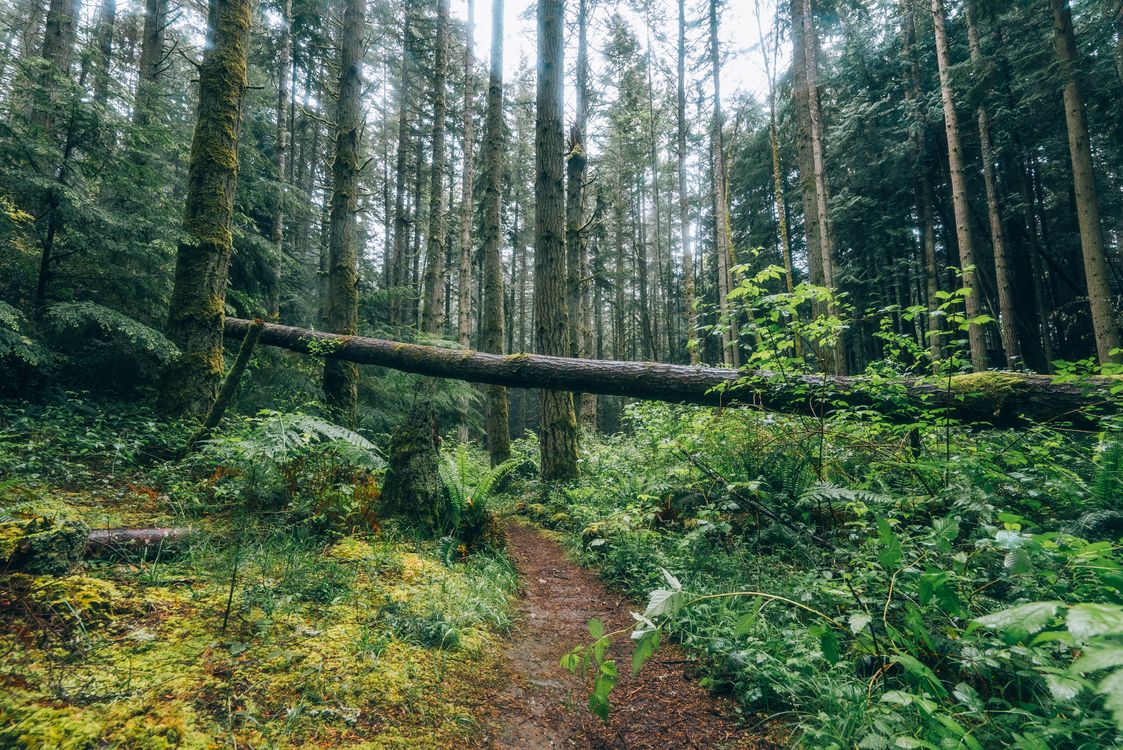
Cover photo by Timothy Huliselan on Pexels. Stock image shown for editorial illustration.


Comments